Announcing the 2025 LCHIP Grant Recipients
Nineteen historic resources to receive preservation grants
For twenty-five years, the Land & Community Heritage Investment Program (LCHIP) has supported the preservation of natural, cultural and historic resources across New Hampshire through its matching grant program. Over the last quarter century, grants have infused over $68 million dollars into communities throughout the state. This year, nineteen historic resources—from iconic mills and schoolhouses to libraries, town halls, and historic houses—will receive funding to advance critical rehabilitation, restoration, and planning work.
Of the nineteen historic preservation projects selected in this cycle, sixteen have benefited from assistance from the New Hampshire Preservation Alliance through field service visits, planning assessments, Seven to Save designations, or other forms of technical guidance. This high level of overlap underscores the essential role of early planning in helping communities become “grant-ready.”
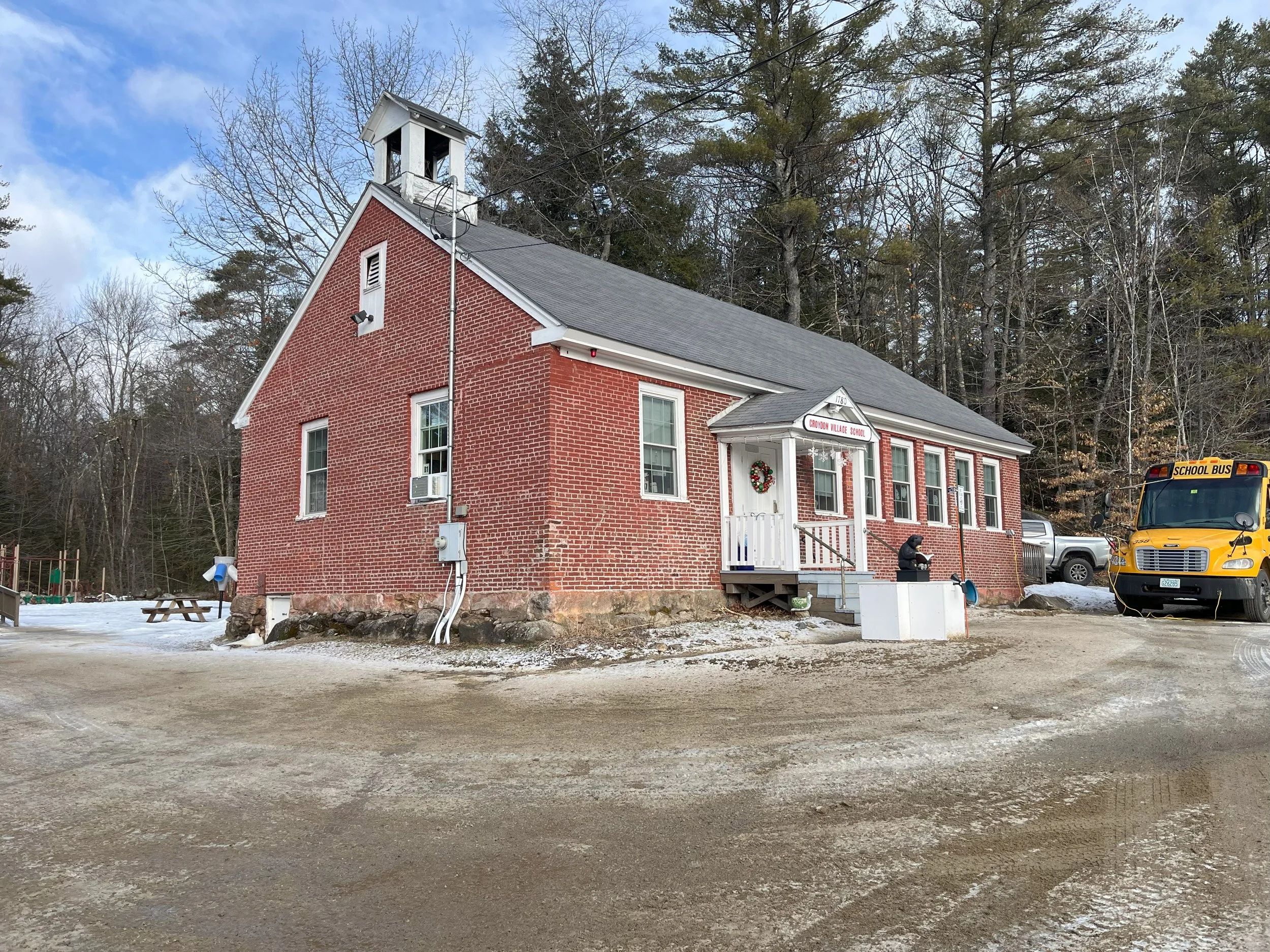
Croydon Village School
“We appreciate our long-standing partnership with LCHIP and the shared commitment to help communities preserve their historic buildings and are proud that our help was an ingredient in moving these projects towards success. The Preservation Alliance worked with legislators, conservation organizations and other stakeholders to help create the popular and effective historic preservation and land conservation grant program.”
Among the highlights of this year’s awards is the Croydon Village School. Built in 1835 and one of only two one-room schoolhouses still operating in New Hampshire—and the only brick one still in use—the building remains central to local identity. LCHIP funding will support rehabilitation of its two interior rooms, restroom upgrades to meet ADA standards, and exterior preservation work. The Preservation Alliance assisted the town by supporting a State Register nomination and connecting them with preservation consultants for a historic building assessment.
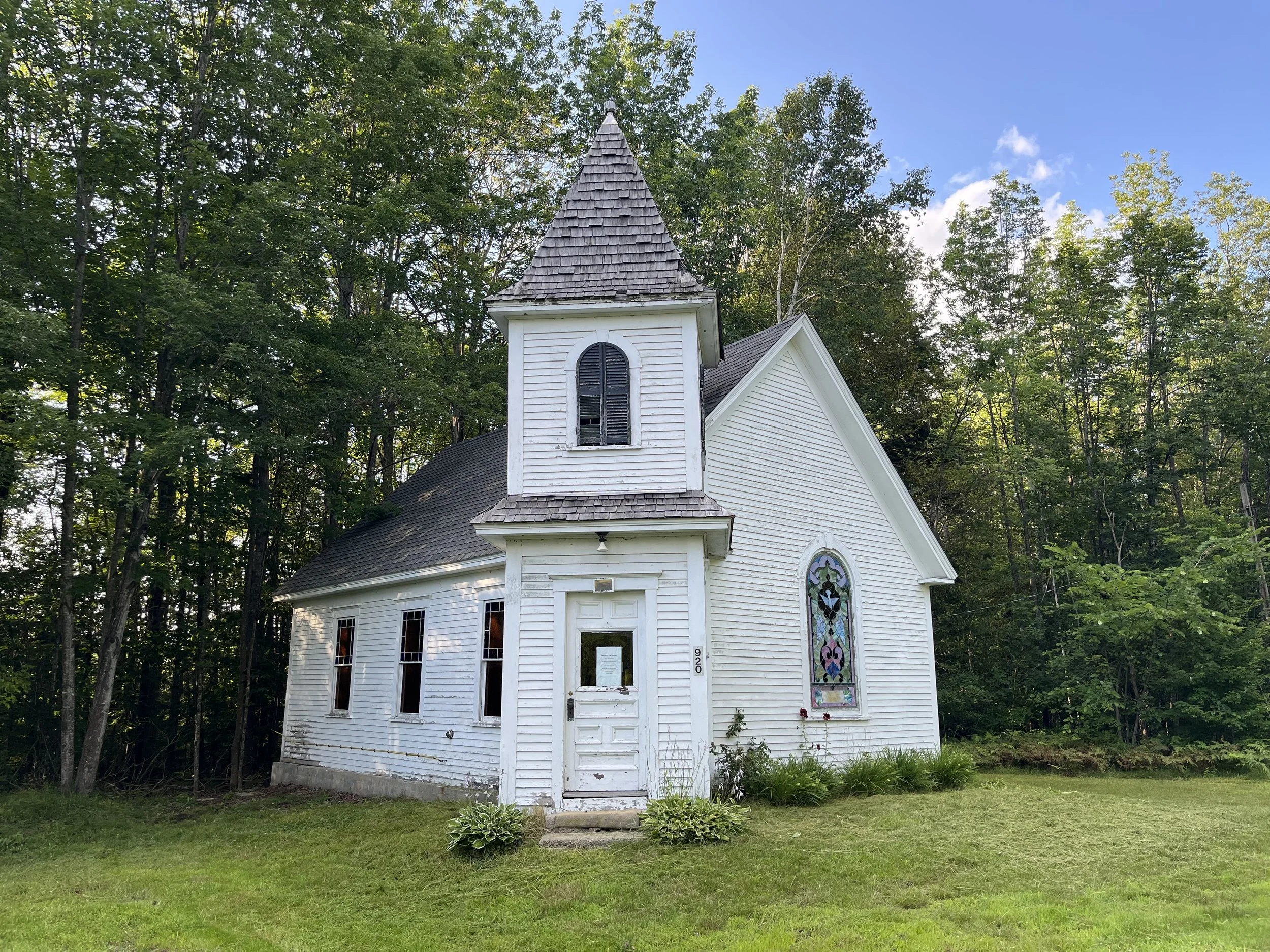
Cheever Chapel in Dorchester
In Franconia, The Frost Place, Robert Frost’s home from 1915 to 1920 and today a museum of poetry and place, will receive support for foundation work and water-mitigation improvements. A Preservation Alliance assessment grant assisted the Friends group with their planning, which will protect the historic structure and its collection while ensuring the poet-in-residence program can continue each summer.
The old Plainfield Town Hall—listed on Seven to Save in 2023—will receive funding to move into the next phase of rehabilitation to address moisture issues so it can continue to serve as a cultural arts space. The Preservation Alliance also assisted project leaders with a historic building assessment. The building has long been a community anchor and is notable for its historic Maxfield Parrish painted stage set.
In Dorchester, Cheever Chapel, owned by Mascoma Valley Preservation, will receive funding for a foundation replacement for this early twentieth-century wayside chapel. Built in 1905 as the Cheever Union Sunday School, it is one of only two remaining examples in New Hampshire constructed in partnership with the American Sunday School Union—a national organization that worked to bring religious literacy to rural areas. MVP saved the structure in 2021, and the LCHIP award will help secure its future.
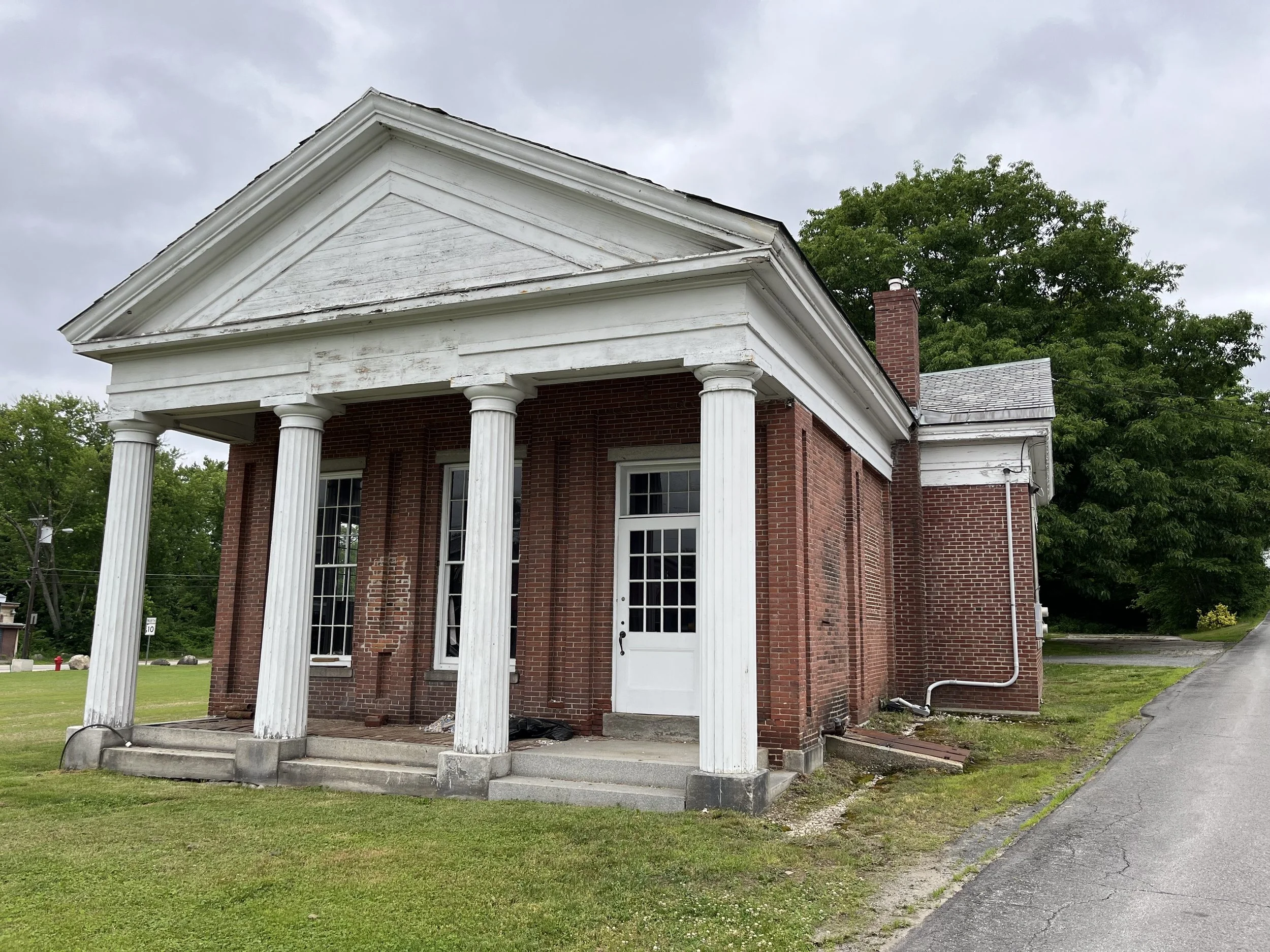
National Bank Building, Winchester
Other recipients benefiting from the Alliance’s technical assistance include Winchester’s National Bank Building, the Goffstown Public Library, and Hills House in Hudson, The Fells in Newbury, all of which used field service, mini-assessment, or full assessment grants to strengthen project planning. Each site completed a historic building assessment—both an LCHIP requirement and an invaluable tool for shaping thoughtful preservation work. These historic resources play important roles in their communities and contribute meaningfully to ongoing revitalization efforts.
The 1877 McKee Inn in Lancaster, offering 34 low income senior housing units owned by AHEAD, Inc., will use its grant to do some necessary rehabilitation work that preserves the building’s historic character. AHEAD’s mission to create pathways to safe, affordable housing aligns closely with community revitalization goals throughout the region.
Other projects assisted by the Preservation Alliance and funded by LCHIP this year include the Gilmanton Iron Works Library, the Riddle House in Manchester (owned by Grace Episcopal Church), and the Milford Town Hall. Four additional recipients—the Belknap Mill in Laconia, Kimball Jenkins Estate, Canterbury Shaker Village, and Portsmouth Historical Society—are past recipients of 1772 Foundation/Preservation Alliance grants South Church in Portsmouth, the James House in Hampton, and the Dover Water Works building also join the LCHIP roster of this year’s awardees.
LCHIP grant recipients must match each dollar awarded with at least one dollar in additional funding and complete their projects to meet rigorous program standards. The economic benefits of historic rehabilitation reach far beyond the buildings themselves: preservation activity supports local jobs, strengthens tax bases, and often spurs further investment. Because rehabilitation is labor-intensive, more money circulates within the local economy compared to new construction. More on the program at lchip.org.
The Preservation Alliance’s planning grant program—supported by LCHIP and other donors—has helped property owners and advocates create effective “road maps” for more than 100 community landmarks. For more information about eligibility for the Preservation Alliance’s assessment grants, please contact Martha Cummings at the New Hampshire Preservation Alliance.